
The 2026 Sound Forecast: How Creative Agencies Can Stay Ahead of What’s Coming Next
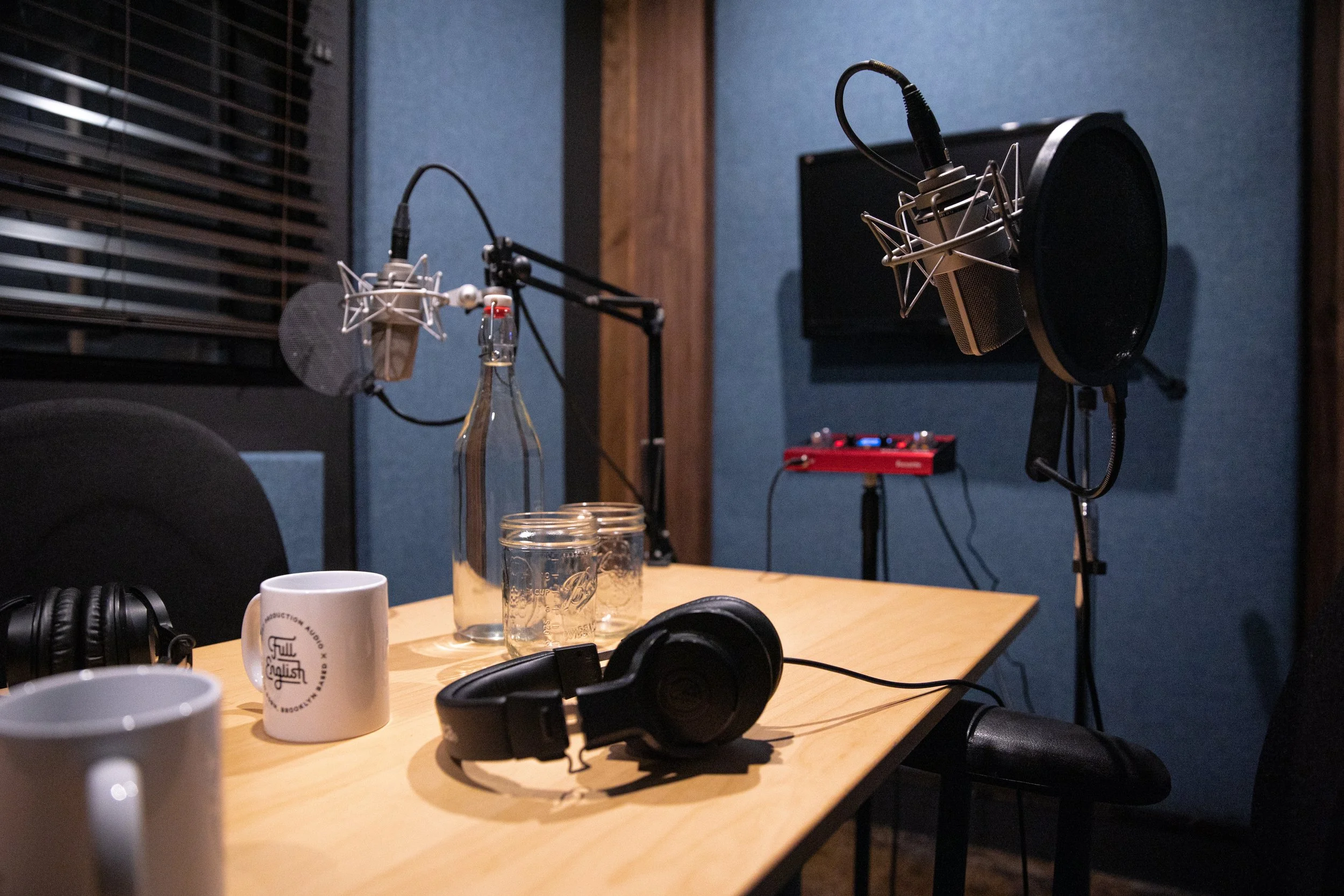
Every December, creative agencies pause to take stock. You’re closing out campaigns, wrapping decks, and planning what’s next. Amid all the talk about visuals, media, and AI, there’s one element that’s shaping how stories will connect in 2026 — sound.
At our Brooklyn studio, we spend the year helping agencies bring their ideas to life through sound design, mixing, and recording. From that front-row seat, we’re seeing clear shifts in how sound is being used.
Here’s what we predict the smartest agencies will be doing differently in 2026.
1. Sound Moves Upstream in the Creative Process
For years, audio lived at the end of the production timeline — “We’ll get to the mix later.” But the best work we’ve seen recently starts with sound in the concept stage.
When producers and creatives think about tone, rhythm, and emotion early, it shapes everything that follows. A sound can inspire a visual idea. A pacing choice can define how a story unfolds. In 2026, more agencies will pull sound into the conversation from day one — and they’ll make better work because of it.
2. Authentic Texture Replaces Slick Perfection
There’s a growing appetite for sound that feels human. Instead of heavily processed audio, brands are embracing texture — breaths, grit, ambient space — the details that make a moment real.
In a world flooded with polished content, that imperfect edge stands out. It builds trust. It reminds people there are humans behind the message. For agencies, the opportunity is to create emotional realism through the mix — not just sonic perfection.
Social Sound, Content Sound, Micro-Moment Sound
As social platforms continue to dominate media time, agencies are no longer planning only for thirty-second TV spots. The formats multiply: Reels, Shorts, mobile verticals, stories, UGC-inspired edits.
In 2026, agencies will need to think: What does our sound strategy look like for every micro-format? Does our audio adapt to fifteen seconds, mobile vertical, looped soundtrack? How does the sonic work scale from big campaign film to snackable social piece? Agencies who design sound with content creation in mind will have the edge.
4. AI Becomes a Co-Pilot, Not the Composer
Yes, AI is everywhere in production. But 2026 won’t be the year it replaces sound designers — it’ll be the year creative teams learn to collaborate with it.
AI tools can help brainstorm ideas, create rough sketches, or speed up workflow. But the emotional judgment — knowing when a moment feels right — is still deeply human. The best agencies will use AI to expand creative possibility, not automate it.
Our prediction: AI will make room for more creativity, not less.
5. Sonic Identity Returns as a Brand Superpower
Brands spent the last decade obsessing over visual identity. In 2026, the focus shifts to sound identity, the unique sonic signature that makes a brand instantly recognizable.
We’re already seeing agencies build recurring audio motifs — a tone, texture, or rhythm that carries from spot to spot. It’s subtle but powerful. When a brand sounds consistent, it feels trustworthy.
The future belongs to the brands you can recognize with your eyes closed.
How Agencies Can Stay Ahead
If your 2026 creative planning doesn’t include a sound strategy, now’s the time to change that. Bring your sound team into concept conversations. Build campaigns around emotion, not just image. Experiment with quiet as much as with loud.
The agencies that thrive next year will treat sound as a creative partner, not an afterthought. And the work will feel richer, truer, and more human for it.
Want to start 2026 with a stronger sound strategy?